- Details
- Written by: Alexey
- Category: Religion
- Hits: 13
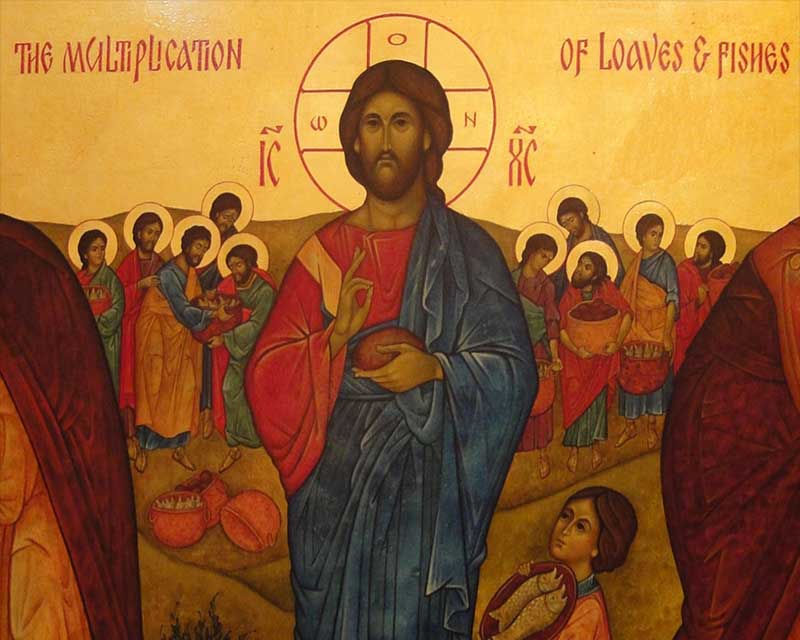
Not to offend anyone, but purely for the sake of self-preservation, let us take a closer look at the term "sanctity." Every religious tradition upholds certain sacred elements that are deemed untouchable—beyond questioning, beyond irreverent scrutiny. Christianity, of course, is no exception.
This concept is difficult to grasp outright—it is elusive, slippery, coated in some strange protective substance that resists being firmly held. The formula for this defensive layer is a closely guarded secret among religious leaders, a know-how passed down through generations of their brightest minds.
- Details
- Written by: Alexey
- Category: Religion
- Hits: 18
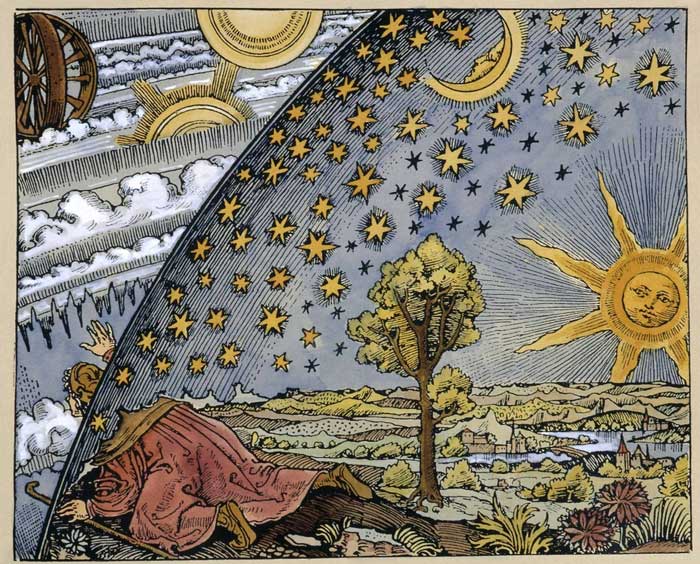
If we must be given a label, then we are atheists. However, this site is not dedicated to atheism in itself—things are a bit more complex.
Our perspective on the world and our interactions within it are not defined by the simple terms "I believe" or "I do not believe" in God or anything else. Rather, it is a combination of "I know" / "I do not know" and "I think" / "I do not think". Belonging to any group—no matter how positively it may be perceived—almost always carries negative consequences. Identifying as atheists gives religious people grounds to claim that we are simply another sect, worshiping different objects, with knowledge and technological progress as our deity, and science or microchips as our form of devotion.
- Details
- Written by: Voltaire
- Category: Religion
- Hits: 13
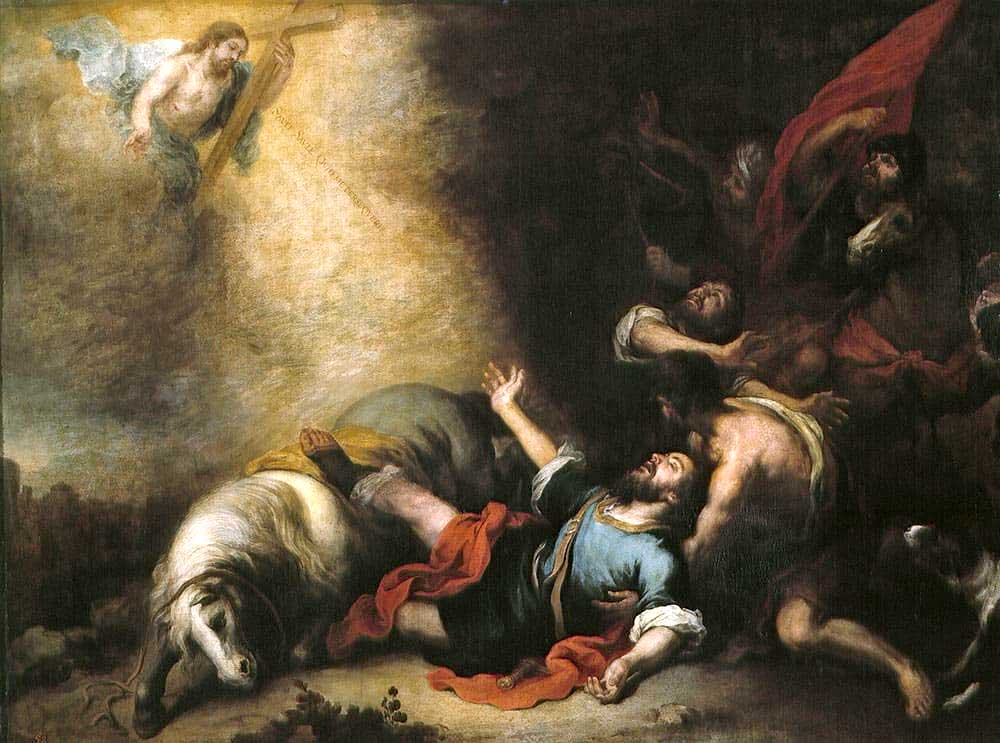
As always in such discussions, I will try to avoid using the term "atheist"—not because it is inaccurate, but to prevent Christian apologists from claiming that I belong to some atheist sect, created merely to oppose Christianity by inventing an alternative faith.
What is the fundamental difference between a believer and a non-believer? A believer uses faith as an explanatory framework—not only for the phenomena of the external world but also for the processes occurring within their own consciousness. Just as in the earliest days of human civilization, when religion first emerged, this approach is rooted in either the absence of a more suitable explanatory system or insufficient knowledge of it.
Read more: Reflections on the Difference Between Believers and Non-Believer
- Details
- Written by: Alexey
- Category: Religion
- Hits: 9
Recently, Orthodox Jews, who had gathered to have fun in honor of the anniversary of the death of Rabbi Shimon Bar Yochai, staged a stampede, as a result of which half a hundred participants in the celebration were crushed and three times the same number were seriously injured. This was not a terrorist attack at all. It was just that someone slipped on the steps of one of the narrow streets of the town of Meron, after which a hundred thousand crowd of die-hard followers of Kabbalah immediately fell on him.
What is the meaning of Lag B'Omer? Shimon Bar Yochai, a disciple of Rabbi Akiva and the author of the book of Zohar, having died on this day almost two thousand years ago, managed to bequeath to his followers to celebrate and have fun on the day of his death, since on this day the disciples of Rabbi Akiva, a sage of the first century, “stopped dying” AD, who taught that our life is a shop in which everything is issued on bail.
- Details
- Written by: Alexey
- Category: Religion
- Hits: 11