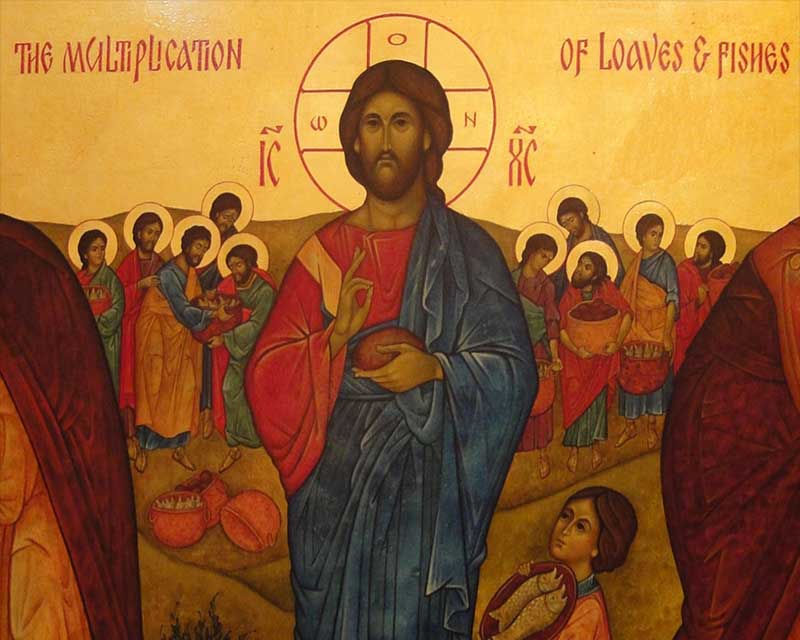
Not to offend anyone, but purely for the sake of self-preservation, let us take a closer look at the term "sanctity." Every religious tradition upholds certain sacred elements that are deemed untouchable—beyond questioning, beyond irreverent scrutiny. Christianity, of course, is no exception.
This concept is difficult to grasp outright—it is elusive, slippery, coated in some strange protective substance that resists being firmly held. The formula for this defensive layer is a closely guarded secret among religious leaders, a know-how passed down through generations of their brightest minds.
Ask them to reveal its composition, and instead of an answer, you will receive elaborate psalms, fragrant waves of incense swung before your eyes, and gentle caresses of a thick, ancient book, held reverently as eyes are lifted heavenward. You will be told that reason alone cannot comprehend everything, that the soul and destiny, the suffering of the chosen, and the sacrifices made in the name of someone—or rather, something—are proof enough.
The impressionable will walk away in sacred confusion, contemplating this someone as an invisible patron watching over all from a hidden refuge. Those with little time to ponder such questions will simply shrug and cease to ask, opting instead to follow rituals as prescribed, adhering to tradition without challenging it.
But we? We are worse. We do not understand—and we refuse to leave until we do. We will keep asking until we push the holy men to the brink of exasperation.
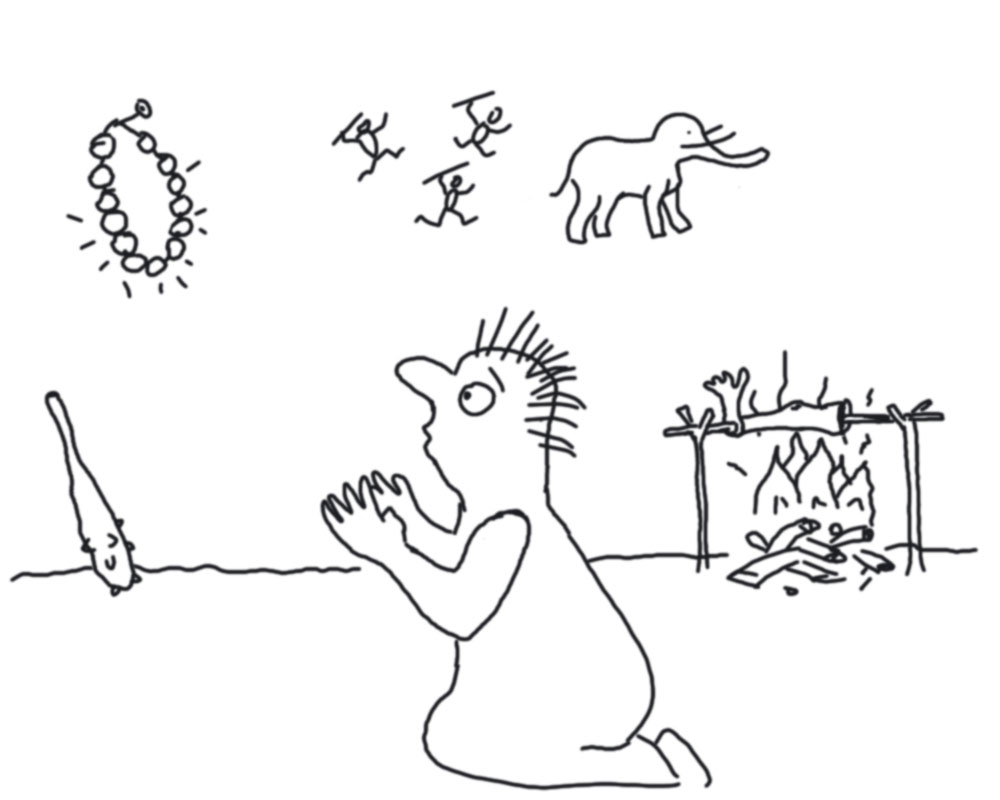
Imagine a tribesman, his entire understanding of the world condensed into the sturdy club he now waves menacingly before your face. Offer him a necklace of brightly colored glass beads, and he will hang them on his cave wall. To him, they are now sacred—while to you, they are merely insurance against a blow to the head.
Do not ask him what makes these cheap trinkets sacred—you may earn yourself a lump for your trouble. Likewise, do not ask him what meaning he assigns to them. You already know the answer: he simply does not know. He cannot explain why—but those beads are beautiful. Flickering mysteriously in the firelight as the limb of a neighboring tribesman roasts over the flames, gently clicking in the cave’s draft, they bring him to a state of exaltation bordering on ecstasy.
 He is not to blame—he is simply a tribesman. He does not yet know. We all were once like him. Every person passes through a tribesman phase—a time when they stare in wide-eyed wonder at the world around them, a world that, over time, may become mundane. Some move beyond this stage sooner, others later—but the fact remains: we all grow up. Or at least, most of us do.
So what keeps humanity from maturing? What prevents us from carrying our beads out of the cave and examining them in the daylight? Why do we fear it?
Perhaps, deep in our consciousness, there is a voice whispering that we must not do it. Why? Because the beads work. Without them, we would have to seek a replacement—on our own, in broad daylight, where everything is visible, where self-deception is far more difficult.
Is it not easier, then, to remain within the warm shelter of our cave, where our beads shimmer comfortingly on the walls, whispering softly: "Do not go outside. Stay with me."
I left my cave long ago, and you know what? It’s not so bad out here. Maybe you’d like to join me?